I'm Actually Not Funny SVG: A Designer’s Real-World Embroidery Review
First Impressions: A Subtle Punch with Visual Personality
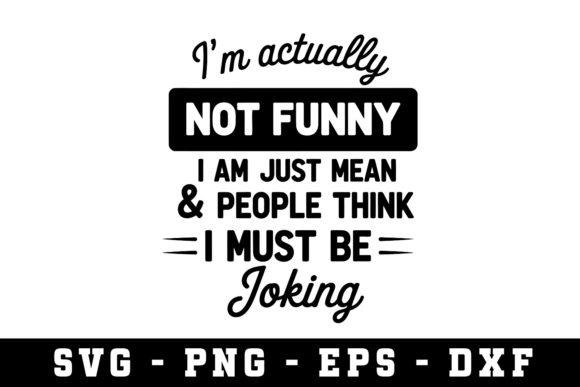
When I first opened the I'm Actually Not Funny SVG file, I was struck by its understated charm. It's not a loud or flashy design, but it carries a quiet confidence that feels right at home in the modern handmade market. The font has a casual, hand-drawn quality that adds personality without veering into overly playful or childish territory. The layout is clean and balanced, making it a versatile choice for a variety of projects.
From a design standpoint, this SVG strikes a nice balance between humor and sophistication. It reads as a conversation starter, but not in a way that alienates buyers who want a more refined aesthetic. It’s the kind of design that could work well for both personal use and small business merchandise, especially among creatives and introverts who appreciate dry wit.
Real-World Use: From Sweatshirts to Tote Bags
I decided to test the I'm Actually Not Funny SVG on a few different materials to see how it would translate from screen to stitch. My first project was a custom embroidered tote bag for a local boutique. I resized the design to fit a standard medium hoop and used a simple fill stitch for the text with a satin border. The result was clean and legible, even after a few washes.
Next, I stitched it onto a sweatshirt for a friend who wanted a subtle but meaningful gift. The texture of the fleece-backed fabric held up well, and the design didn’t get lost in the thickness. I used a slightly denser stitch to make sure the letters stood out clearly against the soft background. It looked great and felt professional—perfect for someone looking to give a thoughtful, handmade gift.
I also tested it on a baby onesie. While the font is a bit large for the smallest sizes, it worked well on 12–18 month sizes. I adjusted the hoop size and used a lightweight stabilizer to prevent puckering. The end result was adorable and had just the right amount of cheeky charm for a baby gift.
Where to Use It—and Where to Be Careful
This design shines in casual, everyday items like tote bags, t-shirts, sweatshirts, and tea towels. It also works well as a small detail on holiday gifts or personalized items for friends who appreciate a little dry humor. Because of its clean layout and readable font, it’s especially suited for Etsy sellers and small shop owners who want to offer a unique but not overly niche product.
However, there are some situations where extra care is needed:
- Small hoop sizes: The font detail can get lost if scaled down too much. If you're working with a small space, consider simplifying or using a bolder font alternative.
- Stretchy fabrics: Always use a quality stabilizer to avoid distortion, especially on knits or soft cotton blends.
- Dark fabric backgrounds: Test thread color contrast on a mockup first. A bright white or light gray thread works best for visibility.
- Curved surfaces: Avoid using this design on the rounded side of a cap or curved mug unless you're confident in your machine’s ability to adjust for contours.
How It Impacts the Final Product
One of the things I appreciate most about the I'm Actually Not Funny SVG is how it elevates the perceived value of the finished item. It doesn’t scream for attention, but it adds a layer of personality that customers appreciate—especially when it's used on boutique-style apparel or minimalist home decor.
From a branding perspective, this design could be a subtle but effective addition to a small shop’s product line. It’s not so specific that it limits your audience, yet it’s distinctive enough to stand out in a crowded Etsy search. When used consistently across items like tote bags, tea towels, and sweatshirts, it helps build a cohesive brand identity that feels intentional and curated.
For gift items, the design has a certain “shareability” factor. It’s the kind of thing people might take a photo of and post online, which is great for small business exposure. It also makes for a great personalized gift—just add a name or date below the main text and you’ve got a custom item that feels both thoughtful and professional.
Designer Notes: Practical Tips for Real Embroidery Work
Before stitching this design into your next project, here are a few practical notes based on my experience:
- Test on scrap fabric: Always run a test stitch before committing to your final product, especially if you're using a new fabric type or stabilizer.
- Check thread color contrast: Don’t assume white will work on all backgrounds. Try a few color options on a mockup before stitching.
- Review stitch density: If you're using a soft or stretchy fabric, adjust the stitch density to prevent gaps or distortion.
- Confirm hoop size: Make sure your machine can handle the size you’re planning to use. If not, consider resizing or simplifying the design.
- Inspect small details: Look closely at the corners and letter spacing—especially if you're reducing the size.
- Test in black and white: Sometimes the design reads differently without color. This helps you visualize how it might look on neutral-toned items.
- Compare light and dark fabrics: The same design can feel completely different depending on the background. Keep this in mind when planning your product line.
- Use proper stabilizer: Especially important on stretchy or thin fabrics to maintain stitch clarity and prevent puckering.
- Check licensing: Make sure the design is cleared for both personal and commercial use before selling finished items or digital products.
Final Thoughts: A Witty Addition to Any Embroidery Collection
The I'm Actually Not Funny SVG isn’t just another text-based embroidery design—it’s a smart, versatile option that works well across a variety of real-world projects. Whether you're creating a custom sweatshirt, a boutique tote, or a personalized baby gift, this design adds just the right amount of personality without overpowering the piece.
For embroidery designers, small business owners, and Etsy sellers, this SVG is worth adding to your collection. It’s not overly niche, but it still feels unique enough to stand out in a sea of generic phrases. With a little attention to detail and fabric choice, it can become a go-to asset in your creative toolkit.